Oct. 22, 2026
An excavator final drive is exposed to continuous rotation, heavy loads, vibration, mud, dust, water, and abrasive debris. Its sealing system must retain lubricating oil inside the gearbox while preventing external contaminants from entering critical rotating components. When oil appears around the final drive, it may indicate a problem with the floating seal, but the actual cause is not always the seal itself.
An excavator final drive oil leak can originate from several different locations, including the planetary gearbox, hydraulic travel motor, shaft seals, housing joints, and oil plugs. Excessive internal pressure, damaged sealing surfaces, worn bearings, and improper installation can also contribute to leakage.
Understanding where the oil comes from and how the leak develops is essential for identifying the actual fault. This article explains the common causes of final drive oil leaks, the warning signs of a failed floating seal, and the differences between mechanical seal problems and other final drive failures.
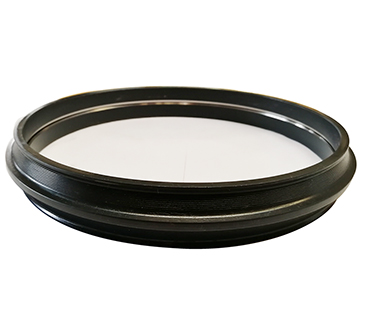
A floating seal, also known as a duo-cone seal or mechanical face seal, is commonly installed at the interface between the rotating final drive hub and the stationary housing. Its main function is to prevent gear oil from escaping while keeping mud, water, sand, and other contaminants away from the internal components.
A typical floating seal consists of two precision-machined metal rings and two elastomer sealing rings. The elastomer rings support and position the metal rings inside their respective housings, while the two lapped metal faces remain in close contact and slide against each other during rotation.
This arrangement provides a durable sealing interface for equipment operating under heavy loads and in highly contaminated environments. Unlike conventional rubber lip seals, the sealing action takes place between two metal faces rather than through direct contact between a rubber lip and a rotating shaft.
In an excavator final drive, a properly functioning floating seal helps maintain the lubricant inside the planetary gearbox and protects the gears and bearings from external contamination. Damage to either the metal sealing faces or the supporting elastomer rings can compromise this sealing function.
An excavator final drive oil leak can develop for several reasons. Identifying the actual cause requires examining the leakage location, lubricant condition, surrounding components, and operating conditions.
Normal wear is one of the most common reasons for a floating seal leak. During operation, the two metal sealing rings rotate relative to each other under continuous contact pressure. Over time, operating conditions can cause wear on the lapped sealing surfaces.
Several problems may develop:
◆ Worn sealing faces: Continuous friction and long-term operation can gradually affect the condition of the metal contact surfaces.
◆ Scratched or damaged faces: Hard particles entering the sealing interface can create scratches that interfere with uniform face contact.
◆ Damaged elastomer rings: The rubber rings may become hardened, cracked, deformed, or displaced, affecting the positioning and loading of the metal rings.
◆ Uneven contact: If the rings lose their correct alignment, the sealing faces may no longer maintain consistent contact around the circumference.
When these conditions develop, gear oil may begin escaping from the joint between the final drive housing and the rotating hub.
Excavators frequently operate in environments containing mud, sand, gravel, rock fragments, and other abrasive materials. These contaminants can affect the sealing system, particularly when debris accumulates around the sprocket and final drive housing.
Wire, cables, roots, and other foreign objects can become trapped around rotating undercarriage components. If they reach the sealing area, they may damage the elastomer rings or interfere with the metal sealing faces.
Fine abrasive particles can also gradually affect the surface condition of the metal rings. Once the sealing interface becomes damaged, oil retention becomes less reliable.
This is why a floating seal leak may develop even when the machine has not experienced an obvious mechanical impact.
Installation quality has a direct influence on floating seal performance. Even a correctly manufactured seal can develop leakage if it is installed incorrectly.
Common installation-related problems include:
◆ Dirt, rust, or metal debris remaining in the housing grooves.
◆ Burrs or scratches on the seal mounting surfaces.
◆ Twisted or unevenly positioned elastomer rings.
◆ Metal rings installed at an incorrect angle.
◆ Damaged sealing faces during handling or assembly.
◆ Incorrect installation dimensions or working compression.
For example, if one metal ring is not seated evenly, the two sealing faces may not remain parallel. This creates uneven contact pressure and can result in localized wear or leakage.
ZHONO's floating seal installation guidance emphasizes clean mounting grooves, correctly positioned elastomer rings, and properly aligned sealing faces. It also warns against using oil or grease on the elastomer rings simply to facilitate installation.
A floating seal leak is not necessarily caused by physical damage to the seal. Abnormal pressure inside the gearbox can also contribute to oil leakage.
During normal operation, temperature changes and internal operating conditions affect the pressure inside the gearbox. If the pressure cannot be properly relieved, excessive internal pressure may develop and place additional stress on the sealing system.
Possible contributing factors include:
◆ A blocked or malfunctioning gearbox breather.
◆ Incorrect oil level or excessive lubricant filling.
◆ Abnormal internal pressure caused by a mechanical or hydraulic fault.
◆ Hydraulic oil entering the planetary gearbox from the travel motor.
When pressure exceeds the operating limits of the sealing arrangement, the metal rings or elastomer rings may become displaced, compromising the sealing interface.
Importantly, replacing the floating seal without correcting the underlying pressure problem may only provide a temporary solution. The replacement seal could develop the same problem again.
The floating seal relies on stable positioning of its two metal rings. Excessive movement or misalignment in the rotating assembly can interfere with their sealing contact.
Worn bearings, excessive shaft play, a damaged housing, or loose mechanical connections may affect the alignment of the rotating hub.
For example, if the hub develops excessive movement during rotation, the metal sealing faces may experience uneven loading. This can accelerate wear and eventually create a leakage path.
In this situation, replacing the floating seal alone will not resolve the underlying mechanical problem. The associated bearings, mounting surfaces, and rotating components must also be examined.
Recognizing the leakage pattern is one of the most useful ways to distinguish a floating seal failure from other problems.
One of the most recognizable signs of a floating seal leak is oil appearing around the joint between the final drive housing and the sprocket-side hub.
You may notice:
◆ Oil accumulating around the rear side of the sprocket.
◆ Wet or oily deposits along the circumference of the hub.
◆ Gear oil dripping onto the track frame or nearby undercarriage components.
◆ Repeated oil leakage from the same sealing interface after cleaning.
When leakage originates directly from this interface, the floating seal becomes a primary suspect. However, abnormal gearbox pressure and mechanical misalignment should still be investigated before concluding that the seal itself is the only problem.
Not all oil around an excavator final drive comes from the planetary gearbox. Distinguishing gear oil from hydraulic oil can help narrow down the source.
Observation | Gear Oil | Hydraulic Oil |
|---|---|---|
Appearance | Often darker brown or black | Often lighter or amber |
Consistency | Generally thicker | Generally thinner |
Odor | May have a strong sulfur-like smell | Usually has a milder odor |
Common leak locations | Hub, gearbox, floating seal area | Hydraulic hoses, fittings, motor housing |
These characteristics are general indicators rather than definitive identification methods because oil condition, temperature, and lubricant formulation can vary.
If the gearbox oil level decreases while oil appears behind the sprocket, a floating seal leak is a reasonable possibility.
However, if the gearbox oil level rises unexpectedly, hydraulic oil may be entering the gearbox through a damaged travel motor shaft seal or another internal leakage path. This requires investigation of the hydraulic motor rather than simply replacing the floating seal.
A floating seal failure can lead to lubricant loss. If the gearbox continues operating with insufficient oil, the internal gears and bearings may no longer receive adequate lubrication.
Additional warning signs may include:
◆ Grinding or growling noises during travel.
◆ Unusual vibration from the final drive.
◆ Excessive temperature around the gearbox housing.
◆ Abnormal metal particles in the drained gear oil.
◆ Reduced smoothness during machine travel.
These symptoms do not independently confirm a floating seal failure. They may indicate secondary damage to the planetary gears, bearings, or hydraulic motor.
When leakage is accompanied by grinding noises or overheating, the condition of the entire final drive assembly deserves attention rather than treating the problem as an isolated sealing issue.
A systematic inspection can help determine whether the problem comes from the floating seal, gearbox pressure, or another component.
Remove accumulated mud, grease, and oil from the outside of the final drive. Once the surrounding surfaces are clean, observe where fresh oil first appears.
Pay particular attention to:
◆ The joint between the sprocket hub and final drive housing.
◆ The gearbox cover and housing connections.
◆ Oil fill and drain plugs.
◆ Hydraulic motor ports, hoses, and fittings.
◆ The travel motor and gearbox connection.
The first point where fresh oil appears is generally more useful than the location where oil eventually accumulates.
Check the planetary gearbox oil level according to the excavator manufacturer's maintenance procedure.
A decreasing oil level may indicate an external gearbox leak. An unexpectedly increasing level may suggest hydraulic oil entering the gearbox through the travel motor.
Also examine the drained lubricant for abnormal contamination or metal particles. Excessive metallic debris can indicate internal gear or bearing damage rather than an isolated sealing problem.
If the leak occurs around the gearbox cover or floating seal area, investigate whether abnormal internal pressure is contributing to the problem.
Inspect the gearbox breather for blockage and check the hydraulic motor case drain line for restrictions, incorrect connections, or excessive back pressure.
A restricted case drain can increase pressure inside the hydraulic motor housing. This may damage the motor shaft seal, allowing hydraulic oil to enter the planetary gearbox.
Pressure measurements should follow the equipment manufacturer's service procedures because acceptable operating limits vary between final drive designs.
If the leakage source points to the hub sealing interface, further inspection should focus on the floating seal assembly.
After disassembly, examine:
◆ The condition of both metal sealing faces.
◆ Scratches, cracks, corrosion, or abnormal wear patterns.
◆ Hardening, deformation, or damage to the elastomer rings.
◆ Contamination or damage inside the installation grooves.
◆ Bearing condition and excessive movement of the rotating assembly.
If the metal faces are damaged or the elastomer rings can no longer maintain their correct positioning, the floating seal may need replacement.
However, if the inspection reveals bearing wear, housing deformation, or excessive internal pressure, those underlying problems must also be corrected.
One common mistake in final drive maintenance is replacing the leaking seal without investigating why it failed.
A new floating seal cannot compensate for excessive gearbox pressure, damaged mounting surfaces, incorrect installation dimensions, or unstable bearing support.
For example, if a blocked hydraulic case drain causes excessive pressure inside the travel motor, replacing the floating seal will not correct the hydraulic fault. Similarly, if worn bearings cause the rotating hub to move abnormally, the replacement seal may experience the same uneven loading as the original one.
Proper installation is equally important. The mounting grooves must be clean, the elastomer rings correctly positioned, and the metal sealing faces protected from contamination and mechanical damage. The installation procedure should follow the specific seal manufacturer's technical guidance.
For heavy-duty rotating equipment such as excavators, bulldozers, and mining machinery, ZHONO manufactures mechanical face seals and floating seals designed to retain lubricants and protect internal components from abrasive contaminants. Its product range includes DO, DF, XY, and YY designs. Explore ZHONO's mechanical face seal products for more information.
An excavator final drive oil leak should never be diagnosed based on the assumption that the floating seal has failed. Although a damaged floating seal is a common cause of oil leakage behind the sprocket, abnormal gearbox pressure, hydraulic motor shaft seal damage, bearing wear, and damaged housing connections can produce similar symptoms.
The most reliable approach is to identify the fluid type, locate the original leakage point, check the gearbox and hydraulic systems, and inspect the mechanical sealing components.
Understanding the relationship between the floating seal, gearbox pressure, bearings, and hydraulic motor helps prevent repeated leakage and unnecessary component replacement while protecting the overall service life of the final drive.
Previous None
Next Track Roller Seal Failure: Symptoms, Causes, and Replacement Signs
NAVIGATION
Tel.: 010-80382045
E-mail: sales@bjzhongnuo.com
Wechat: +86 175 0108 8188
WhatsApp: +8615831560503
Add.: No. A48,TiantanDongli,Dongcheng District,Beijing,100061,China
Request a Quote